
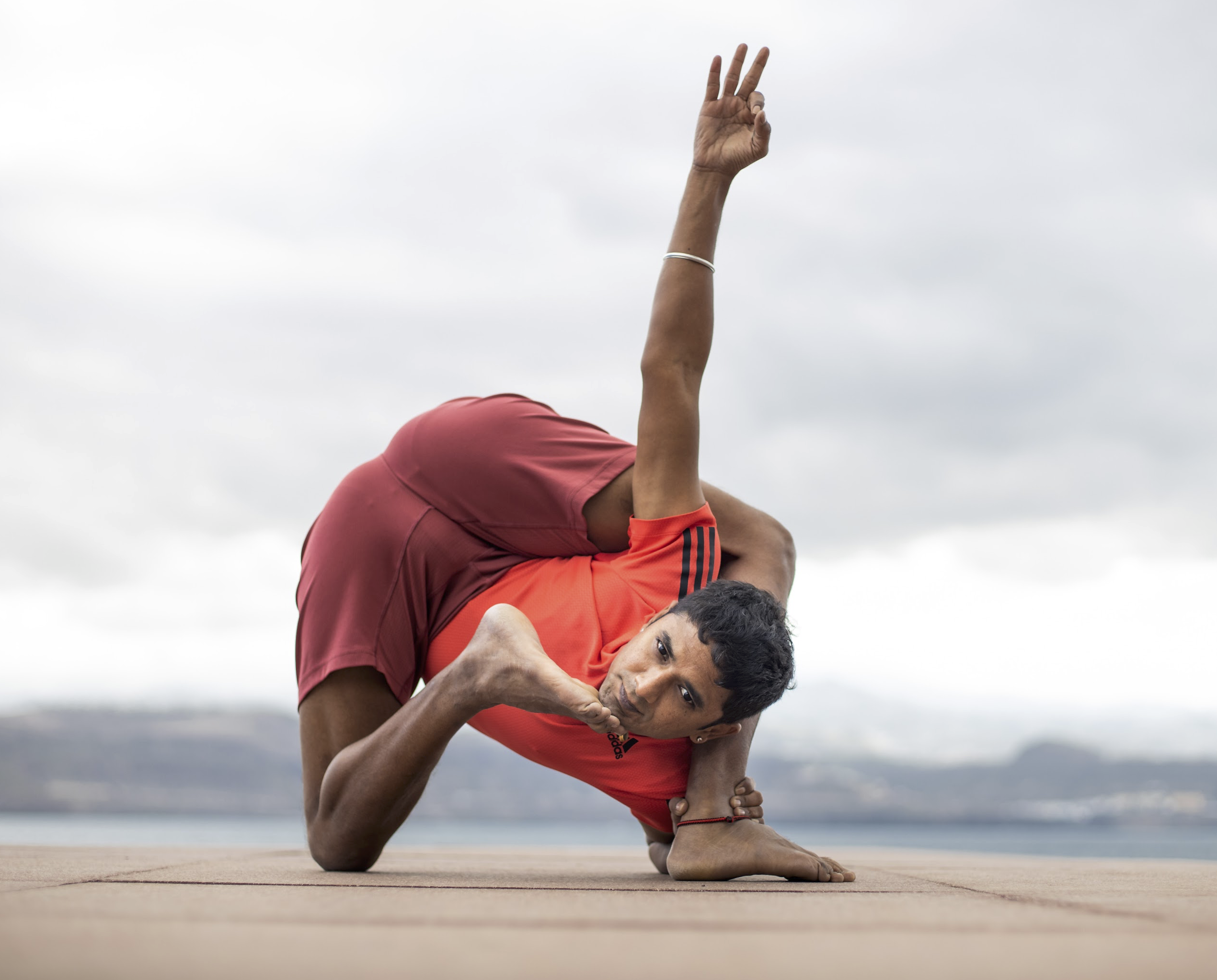
'Prana' means breath and is considered the life-giving force. Vashya means capable of being subdued, controlled, or governed. The term dynamic refers to constant change or action.
At Prana Vashya Yoga, the emphasis is on synchronizing movement with breath and gaining control over both. Throughout the practice, the practitioner is taught precise breathing techniques that accompany every movement—whether holding a particular position or asana, or moving into or out of it.
This harmony between breath and movement can only be achieved through concentration and balance between these two elements.
Prana is the source of all activities. The power of Prana is directly related to the state of the mind, just as it is to the physical body. While it may be easy to nourish the physical body through diet and exercise, cultivating a calm mind is not as easy. In fact, the body and mind are correlated in many ways.
Why the Concept of Flow?
When a practitioner synchronizes breath with physical movement, it becomes essential to make a conscious effort to expand one's state of awareness. This means overcoming the fluctuations and misapprehensions that are often accumulated in the deeper layers of the mind, commonly referred to as the subconscious, and developing awareness beyond them.
While in action, the practitioner neither indulges in memories of the past nor expends conscious energy in shaping or planning the future. This state of complete involvement and total association with the present moment of action is called dynamism.
Just as air, water, and the mind lose their purity when they cease to flow and remain stagnant at a place, level, or point in time, the dynamic yoga approach encourages practitioners to remain consciously engaged with the present moment. Since life and action are constantly changing, this awareness of the present karma becomes the essence of Dynamic Yoga.